Broomfield's Open Space Is a Puzzle Piece, and Nobody Told You Why
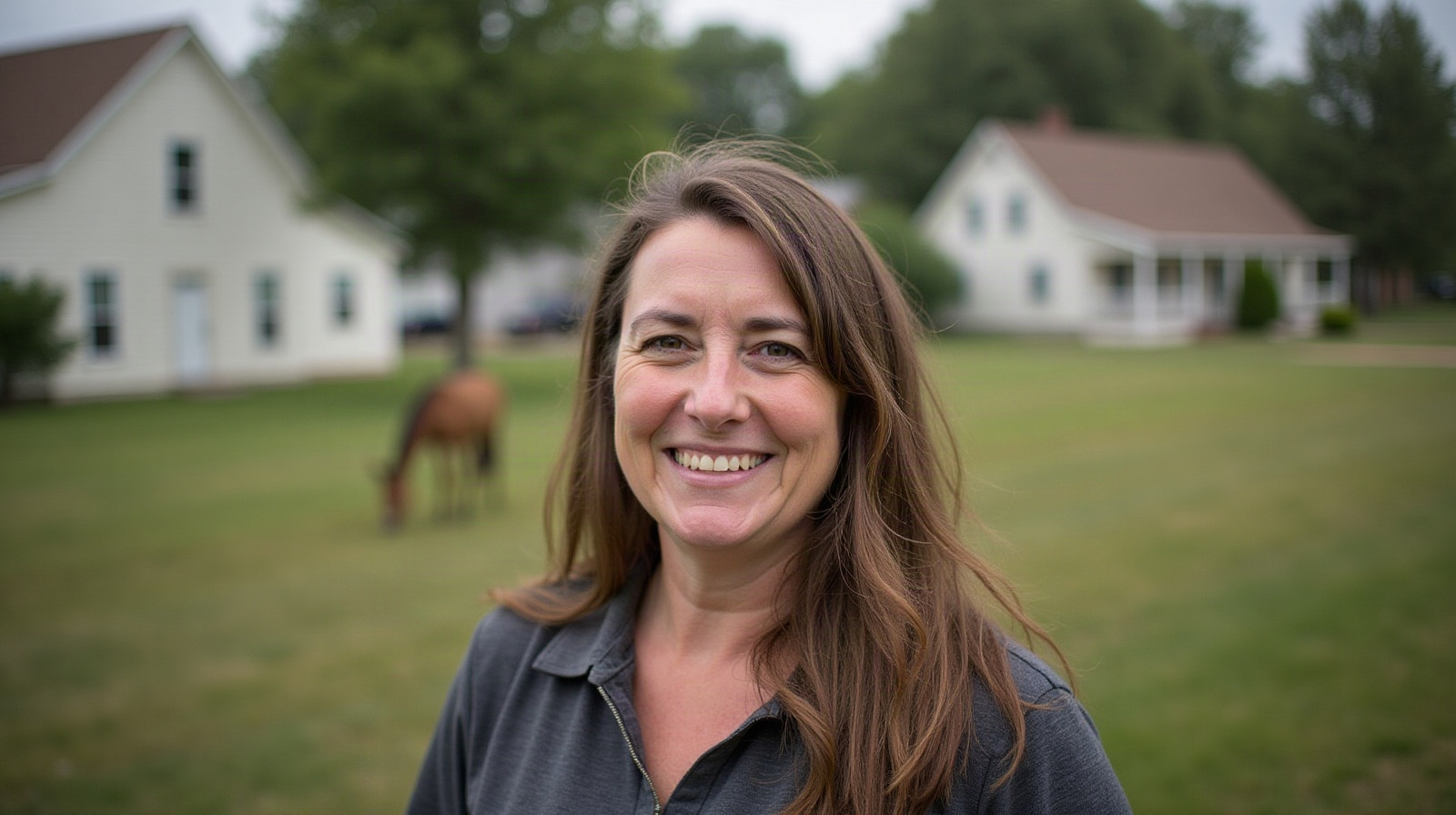
On August 15, families will wander the grounds of Metzger Farmstead for NatureFest, Broomfield's free annual event built around storytelling, hands-on learning stations, arts and crafts, and open space exploration. It sounds like a pleasant way to spend a Saturday, and it is. But tucked inside that casual invitation to “explore open space” is a piece of ecology that scientists have spent decades arguing about: what exactly is a patch of preserved land actually doing, sitting there by itself?
The short answer is that it is rarely by itself. Broomfield's open space parcels, the ones NatureFest visitors will wander through, are part of a scattered network of grassland, wetland, and farmstead remnants stitched across the city. Individually, none of them is very big. Together, they behave more like stepping stones than islands, and that distinction matters enormously to the animals trying to use them.
The relevant field is called landscape ecology, and its central puzzle is habitat fragmentation. When a continuous prairie gets carved up by roads, subdivisions, and parking lots, the pieces left behind do not just get smaller. They get more isolated. A patch of native grass surrounded by other grass can support a wandering fox, a nesting meadowlark, a colony of native bees moving pollen from flower to flower over a season. The same patch surrounded by asphalt has to work much harder. Distance between green spaces starts to matter as much as the size of any one space.
This is where the “stepping stone” idea comes in. Ecologists have found that wildlife, especially small, slow-moving, or short-ranged species, will use a chain of smaller habitat patches to cross a landscape they could never cross in one leap. A native bee species might only fly a few hundred yards in its lifetime. If there is a strip of blooming natives, then a gap, then another patch, then another gap, that bee can hopscotch across a suburb it would otherwise never survive crossing. Take out one stone in the chain and the whole crossing can collapse, not gradually, but suddenly, the way a bridge with a missing plank stops being a bridge.
Farmstead sites like Metzger add another layer researchers care about: they preserve older, less disturbed soil and vegetation patterns from before large scale development, which can make them slightly richer waypoints than a manicured park lawn. Historic dryland farming plots, transitional field edges, unmowed margins: these ragged, imperfect corners often host more insect diversity than a groomed comparable area of equal size, simply because they have not been smoothed over as heavily. Nobody is claiming Broomfield's farmstead parcels are pristine prairie; they are working landscapes with a long human history layered into the soil. But that history has left more texture behind than a fresh subdivision typically does, and texture is exactly what small pollinators and ground nesting birds tend to exploit.
None of this is settled with the precision of a laboratory result. Landscape connectivity is measured with models, not stopwatches, and researchers are still refining how far different species can actually travel between patches, how much a single gap matters versus a string of small ones, and how much human foot traffic during something like NatureFest affects the animals using the same ground the rest of the year. The consensus is directional, not exact: more connected small patches generally support more resilient wildlife movement than the same acreage locked into one isolated block, but the details depend heavily on which species, which patch, and which season.
For a NatureFest visitor at Metzger Farmstead, the practical version of all this is almost embarrassingly simple. That patch of open space is not scenery. It is infrastructure, in the same unglamorous sense that a drainage channel or a road is infrastructure, except this one is built for wings and legs instead of tires. Walk the loop, take in the learning stations, and consider that the ground under the storytelling tent might, on a smaller and slower timescale, be doing something not unlike what the nearest road interchange does for commuters: getting something small from one side of the city to the other, one stepping stone at a time.