Broomfield Decides Which Trucks Get to Stay Parked
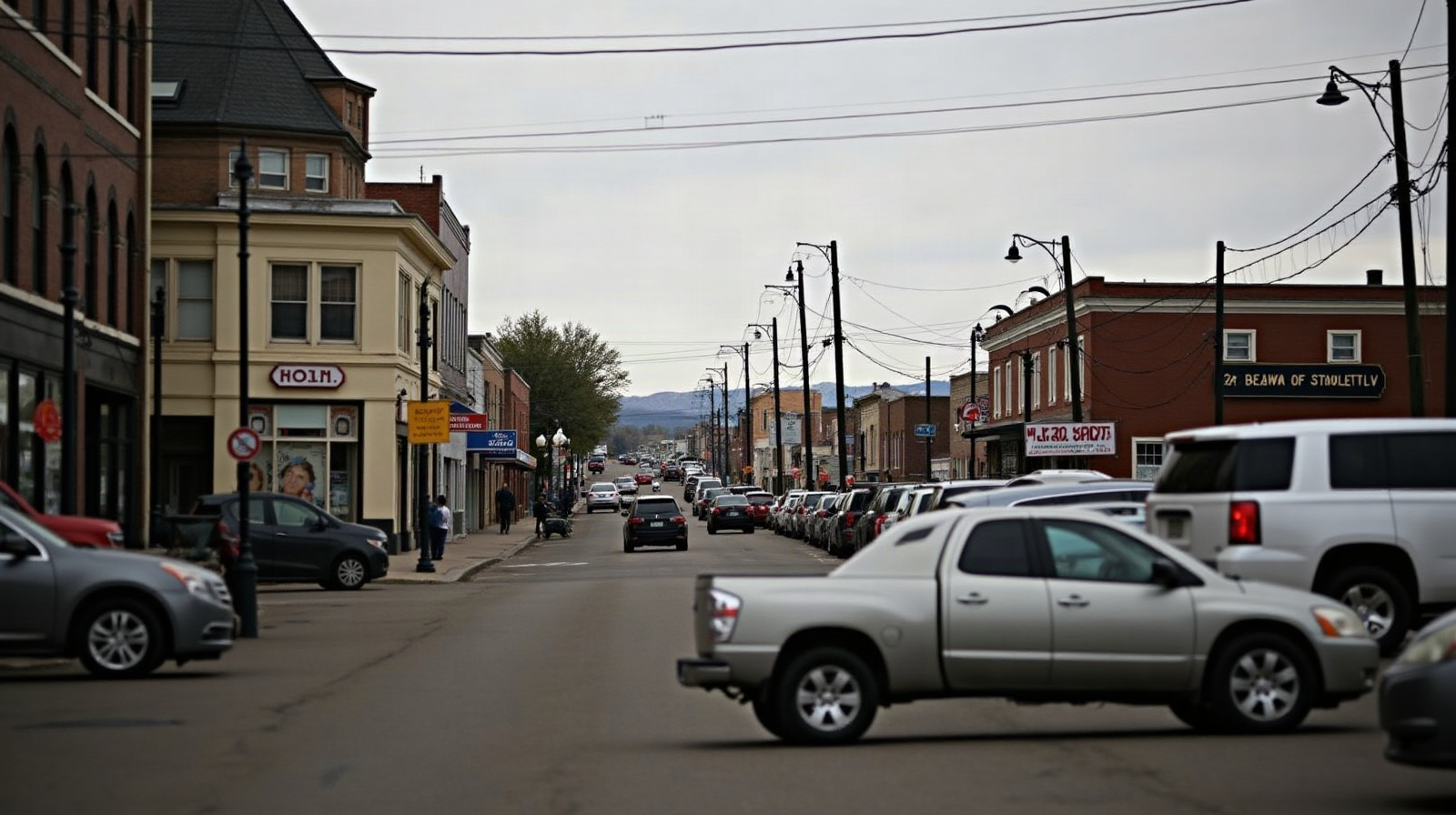
At Tuesday's council meeting, an ordinance quietly clears its second reading that will let Broomfield police issue tickets to anyone parking or driving an unregistered vehicle, trailer, or semitrailer on city streets and highways. It is the kind of item that barely rates a line in the agenda packet, filed between an EV charging fee schedule and a ballot resolution about a prosecutor's term limits. But small ordinances like this one are where a city's real anxieties surface, because they are never really about registration stickers. They are about which vehicles, and which people, a city has decided look like they belong.
Broomfield is not a city with a semitrailer problem in the way that word suggests to most people, empty lots full of long-haul rigs. It is a city that sits at the intersection of two economies that don't always look at each other. On one side is the Broomfield of the council's other business this year: a hospital campus expansion for UCHealth and AdventHealth, business parks proposing new EV charger amenity buildings, a data center moratorium drafted specifically to get ahead of a tech-sector land rush. On the other side is a Broomfield made up of contractors, landscapers, tow operators, small trucking outfits and gig haulers who work out of the same logistics corridor along US 287 and I-25 that makes the city attractive to warehouses and hospitals in the first place. Their trucks, trailers, and equipment don't always have current paperwork, not because their owners are criminals but because registration lapses are a reliable symptom of thin margins. An ordinance that lets an officer ticket an unregistered trailer parked in front of a house is, in practice, an ordinance aimed disproportionately at that second Broomfield.
This matters more this year than it would in an ordinary budget cycle, because the same council that is tightening enforcement on parked trailers has, in its own study sessions, been told plainly that Broomfield doesn't have enough housing for the people who do that work. The supplemental housing needs assessment reviewed in September flags workforce housing and rental stability as unmet needs, alongside senior housing. Workforce housing is a term of art, but it has a plain meaning: housing for the people whose jobs make the rest of the city function, including, not incidentally, the people who might park a work trailer or an aging pickup on a residential street because they cannot afford a garage, a storage unit, or a newer vehicle with current tags. The city is, in the same season, diagnosing a shortage of housing for exactly the population its street-parking enforcement will fall hardest on.
None of this requires imagining that council members intend anything so blunt as class-based policing. Unregistered-vehicle ordinances exist across Colorado and mostly get justified as neutral traffic and safety measures, tools against derelict cars and stripped trailers rusting on curbs. That justification is real. But neutrality on paper does not survive contact with who actually owns unregistered vehicles, and it rarely aligns with who has the money to keep every trailer's paperwork current the moment it lapses. A three-day-late tag renewal on a landscaper's utility trailer and an abandoned RV are not the same problem, but a ticket doesn't know the difference, and an ordinance that treats them identically is making a choice about which forms of visible disorder a city is willing to tolerate.
The timing is what gives the ordinance its edge. Broomfield in 2026 is a city visibly trying to look like something: a business-park suburb with hospital campuses, EV infrastructure, and a data-center moratorium designed to manage its own growth carefully rather than let it arrive unregulated. That is a coherent, even admirable, civic project. But polish has a cost, and it usually falls on whatever doesn't photograph well. A semitrailer parked overnight on a residential block doesn't fit the image of a city courting UCHealth and AdventHealth as anchor tenants, even if the person driving that semitrailer is the reason the hospital's supply chain runs on time.
Councils rarely get to decide, in one clean vote, who belongs in a city. They get to decide it in dozens of small votes like this one, about parking enforcement, about setbacks, about which uses are permitted where. The unregistered-vehicle ordinance is a modest piece of code, but it lands at the exact moment Broomfield's own staff are telling council that the city needs more housing for its working residents, not fewer places for their trucks to sit. A city can enforce tidy streets or it can take its own housing assessment seriously. Doing both at once, this month, looks less like consistency than like not noticing the contradiction.