Broomfield Protects the Pool but Not the Price of Admission
On August 26, Broomfield's City Council took up two items that, read separately, look like routine municipal housekeeping. Read together, they tell a sharper story about what the city and county actually means when it says it wants to preserve public recreation.
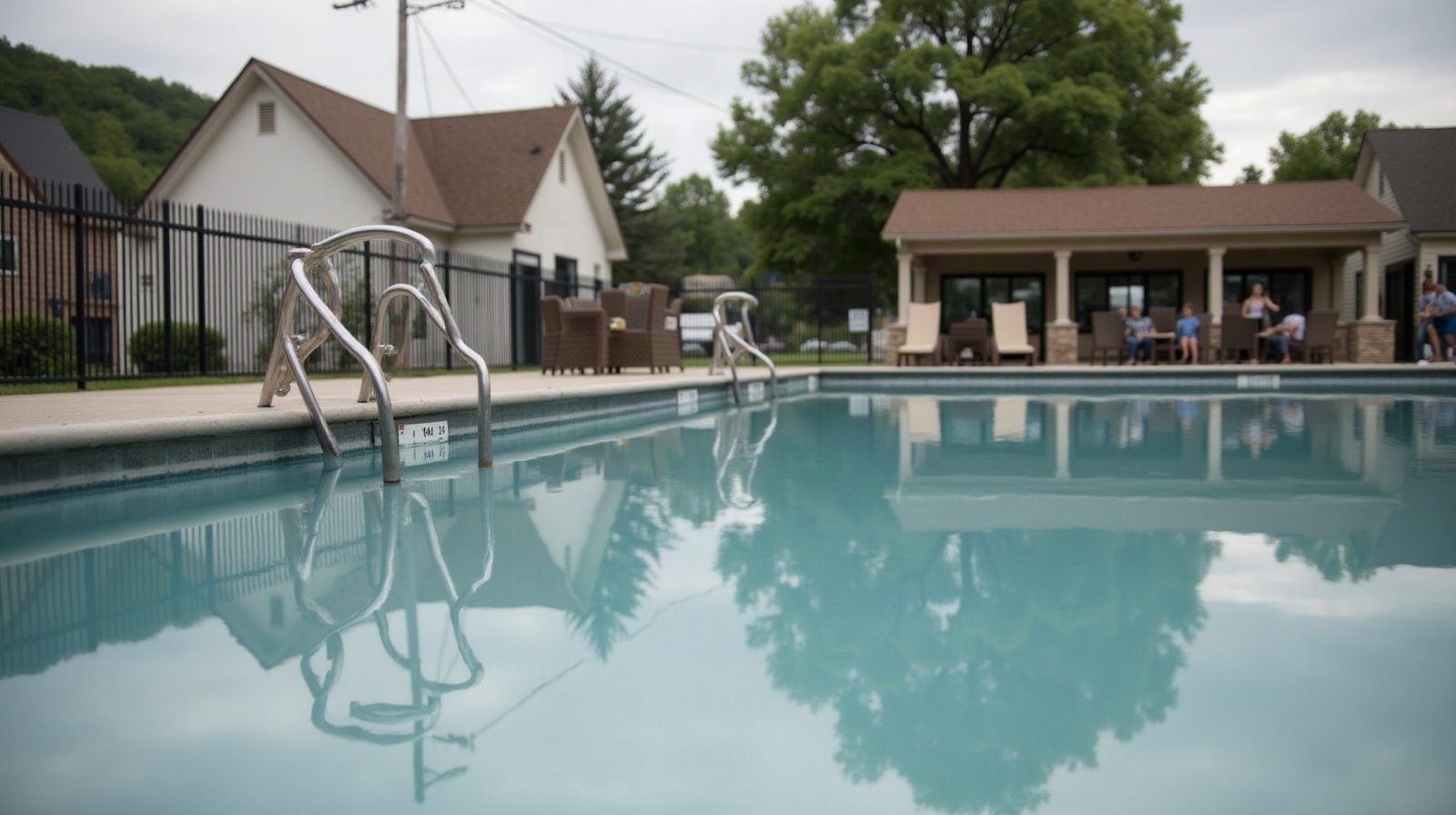
The first was a first reading of an ordinance requiring a public hearing before any site development plan change that would reduce or eliminate outdoor recreation facilities: pools, playgrounds, dog parks. The rule exists because such removals can otherwise happen quietly, folded into a site plan amendment that never gets debated on its own merits. Giving residents a formal chance to object before a dog park becomes a parking lot is, on its face, a small victory for transparency in a city that has spent this year wrestling with how fast growth outruns public input.
The second item, on the same night, was a new Parks, Recreation, and Senior Services fee schedule, effective January 1, 2027, with built-in annual increases alternating between market-based adjustments in even years and flat 3 percent raises in odd years, aimed at pushing cost recovery to somewhere between 50 and 60 percent. In plain terms: the department wants users, not general tax revenue, to cover more of what it costs to keep these facilities running.
Put the two measures side by side and a pattern emerges that neither, alone, reveals. Broomfield is prepared to defend the existence of its pools and playgrounds against the bulldozer, but considerably less prepared to defend the public's ability to actually use them once the price of admission climbs year after year. The city has confused protecting a parcel with protecting a right.
It is worth remembering that just weeks earlier, in July, the council proclaimed Park and Recreation Month, the kind of civic ritual that affirms parks as something close to a birthright of community life, open to everyone regardless of what they can pay. That rhetoric sits uneasily beside a fee structure explicitly designed to shift the financial burden of recreation onto the individuals who show up to swim, skate, or register a child for a class. The month of celebration and the schedule of increases were adopted by the same council within a single budget cycle, which suggests less hypocrisy than an unexamined assumption: that keeping the building standing and keeping the door open to all comers are the same policy problem. They are not.
This matters more in Broomfield than it might in a city with a stable, long-settled population, because Broomfield's own data this year point toward growing economic stratification among the people who will need these facilities most. The supplemental housing needs assessment presented to council in September flagged demand for senior housing, workforce housing, and rental stability, an unambiguous signal that a meaningful share of current and incoming residents are cost-sensitive by definition. These are not hypothetical future residents. They are the population the city itself has identified as under housing and income pressure right now. A recreation fee schedule engineered around market-rate cost recovery does not affect all residents equally; it affects exactly the households the housing assessment says the city should be worried about.
None of this means the new site-plan ordinance is cosmetic. It genuinely closes a loophole that let recreation amenities disappear without public debate, and in a fast-developing suburb where UCHealth expansions, new subdivisions, and metro districts compete constantly for land and attention, that loophole was real. But an ordinance that guarantees a pool cannot be quietly paved over says nothing about whether a family earning 80 percent of area median income, the very threshold the city uses elsewhere in its own inclusionary housing rules, can still afford to use that pool once its rates rise on a fixed annual schedule through the coming decade.
Broomfield's council has, in effect, drawn a legal fence around the physical footprint of public recreation while leaving the financial fence around access to rise on its own, governed by a formula rather than a debate. If the city wants August's twin decisions to add up to a coherent recreation policy rather than two unrelated line items, it will need to ask the harder question its own housing data already poses: not whether the dog park survives, but who, in five years, can still afford to walk through it.