Broomfield Can Govern Itself to Death, Just Not Officially
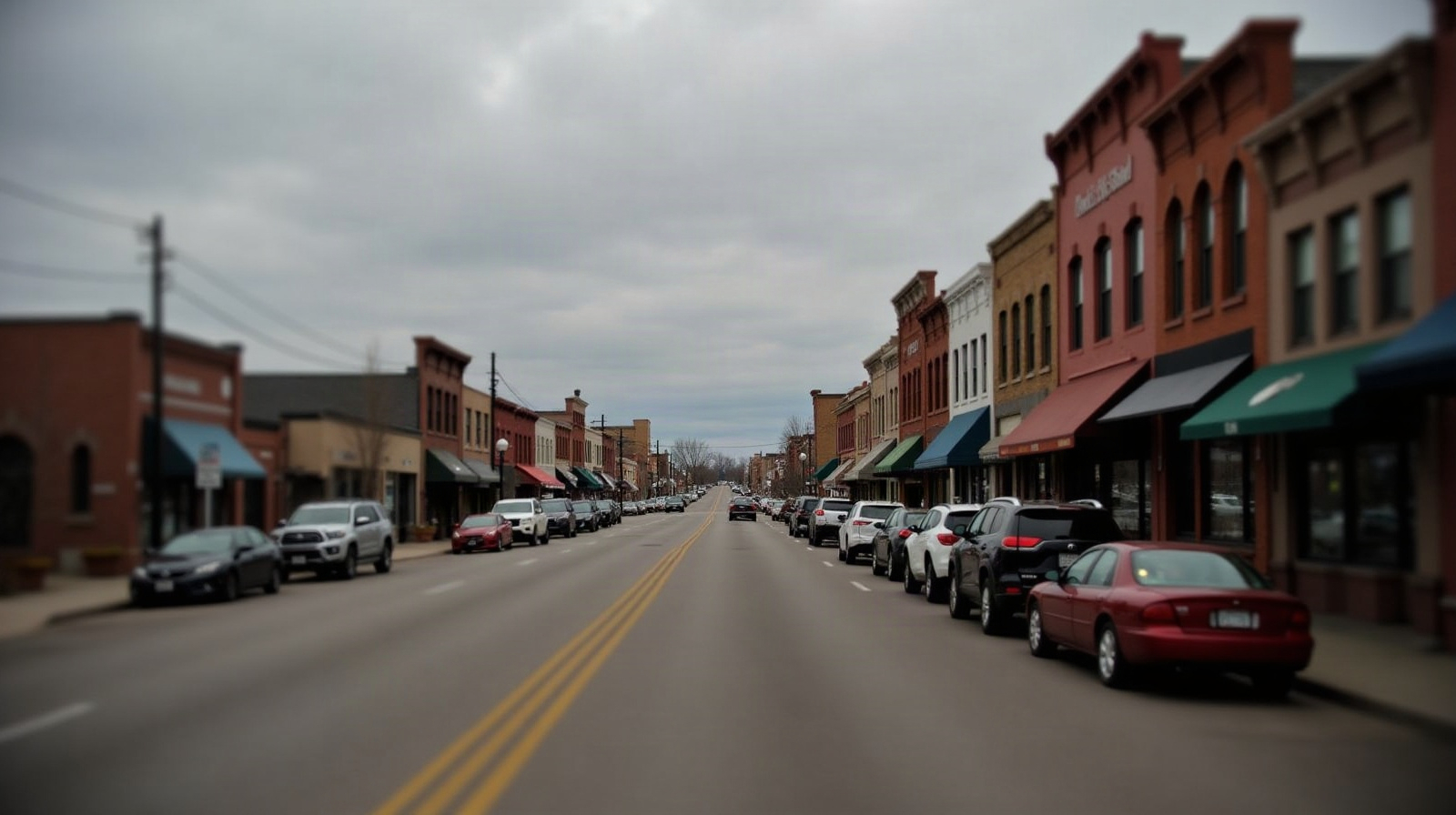
There is a particular kind of civic pride that comes from being a city and a county at once: double government, double acronym, double the ribbon to cut at ceremonies. Broomfield has spent three decades perfecting the art of being self-contained, a jurisdictional matryoshka doll that handles its own roads, its own water, its own courts, its own detention center repairs when the pipes misbehave. And yet tucked into the consent agenda of a recent council meeting, between landscape maintenance contracts and air quality monitoring, sits a small item with large implications: a coroner services agreement with Adams County.
In other words, Broomfield can build you a bikeway, charge you a lodging tax, enforce your e-bike, and adjudicate your misdemeanor before a presiding municipal judge whose own employment contract is up for renewal this month. But when the question becomes “is this person, legally and finally, dead,” the city picks up the phone and calls the neighbors.
It is worth sitting with this for a moment, because it says something true and almost tender about how municipalities actually work versus how they like to present themselves on letterhead. A city and county government is, functionally, a very elaborate promise: we will handle this for you, whatever this is, so you don't have to drive to three different buildings in three different towns to get a permit, a dog license, and a death certificate. Broomfield has made good on that promise for an impressive range of human experience. Sustainability contracts: handled locally. Emergency medical advisory committees: a seat at the regional table. But the official pronouncement of mortality, the single most irreversible administrative act a government can perform on a person's behalf, gets outsourced.
This isn't a criticism so much as an admission that nobody has articulated out loud, possibly because it sounds slightly morbid at a council meeting sandwiched between tree lighting logistics and a water reuse agreement. Coroner work requires forensic pathologists, toxicology labs, specialized investigators: the kind of infrastructure that doesn't scale down gracefully to a population the size of Broomfield's. Adams County already has the equipment and the expertise. Sharing it is sensible, efficient, exactly the sort of unglamorous regional cooperation that keeps small governments solvent. Nobody is suggesting Broomfield build its own morgue out of civic ego. That would be, among other things, a tragic use of a sustainability contract.
But there's a quieter point buried under the practicality, which is that every city, no matter how thoroughly it incorporates and consolidates and declares itself into a tidy box on an organizational chart, eventually runs into the edge of what it can actually be self-sufficient about. Water, Broomfield worries over constantly, because water is scarce and visible and photogenic in a reservoir sort of way. Death is scarce too, in its own fashion, but it doesn't show up in a demand-management agreement, so it tends to get filed under “consent items” and nodded through without much ceremony. Which is, in its way, exactly the right amount of ceremony. A coroner's office isn't where a city should be flexing its independence.
Still, there's something quietly instructive in watching a government that prides itself on doing almost everything in-house draw a line at the one task that is, by definition, final and non-negotiable. Broomfield can reschedule its own council meetings for 2027, renegotiate its own city manager's employment contract, and amend its own municipal code at a second reading. It cannot, apparently, be the last word on its own residents in the most literal sense. For that, it needs a neighbor with better equipment and a steadier hand.
Maybe that's not a flaw in the design. Maybe it's the honest shape of what a city-county really is: not a fortress of total self-sufficiency, but a very well-organized neighbor who still, on the matters that count the most, needs to borrow something from next door. Broomfield handles your bikeway. Adams County handles the end of the road. Between the two of them, somehow, the paperwork gets done.