A Chipotle's Parking Lot and the New Rules for Broomfield's Commons
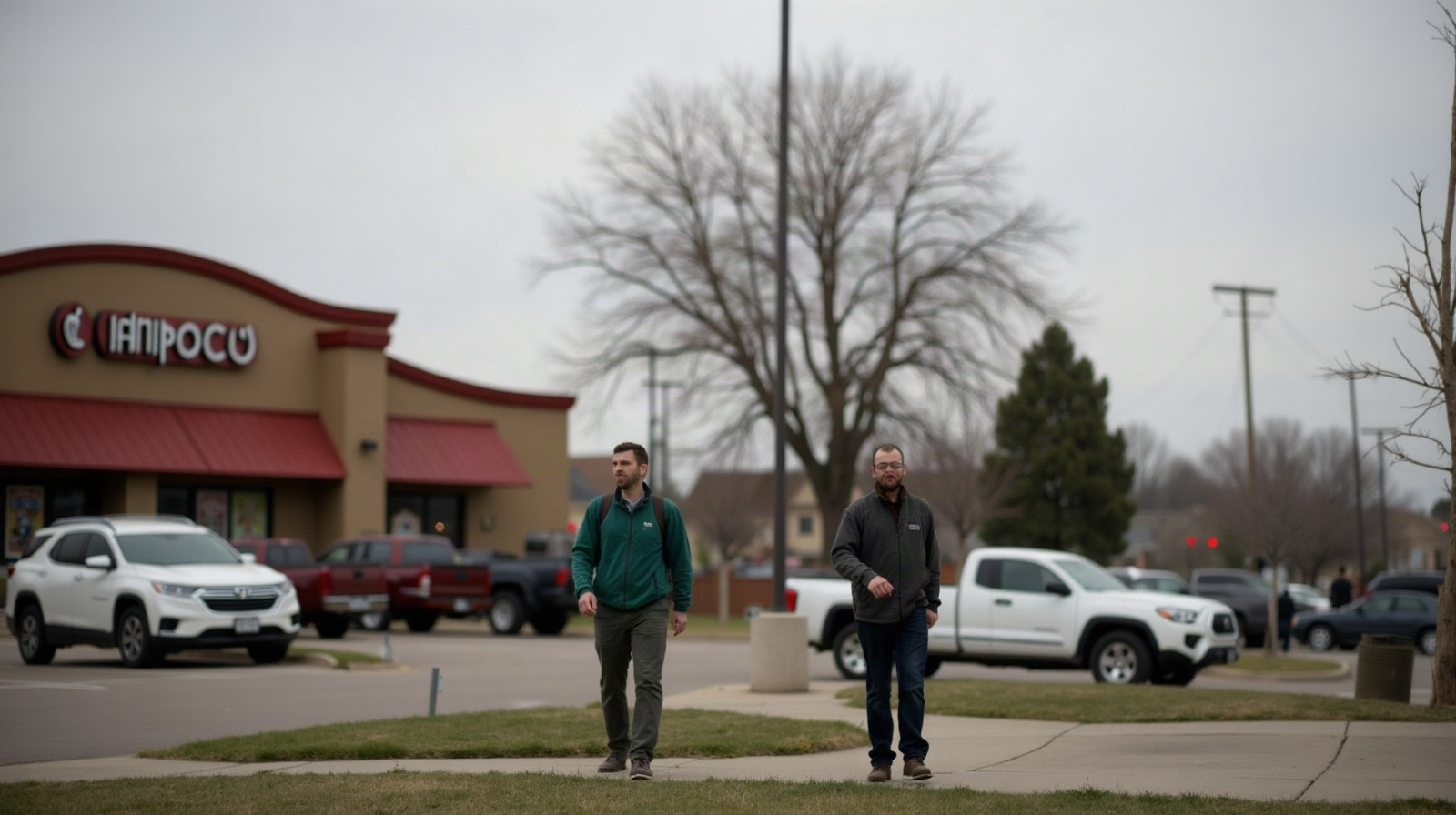
On the surface, nothing could be more routine than a fast-casual chain asking for a few extra parking spaces. That is what will come before the Broomfield City Council on September 9, when Chipotle Mexican Grill seeks approval for a freestanding restaurant at 700 W 168th Place, along with a code deviation allowing it to exceed the maximum permitted parking. Deviations like this are the connective tissue of American land use: a business asks for more asphalt than the rulebook technically allows, and a city, eager for sales tax and a tenant on an empty pad site, generally finds a way to say yes.
Set beside that item, something quieter and more interesting has been working its way through the council calendar since late summer. On August 26, council gave first reading to an ordinance requiring a public hearing before any site development plan change could reduce or eliminate an outdoor recreation facility, a pool, a playground, a dog park. On September 23, that ordinance came back for second reading and adoption. It is easy to miss next to bigger fights over housing and rezoning, but it represents something Broomfield has not previously bothered to formalize: a procedural wall between the public and the quiet erosion of the amenities it already owns.
The contrast between the two items is not an accident of scheduling. It is a small but revealing statement about what this city, and by extension this kind of fast-growing suburb, treats as negotiable and what it treats as owed. A parking variance for a restaurant chain is a matter of convenience, handled through routine administrative channels. Removing a splash pad or a dog park, by contrast, now requires the city to stop, hold a hearing, and let residents object before staff or a developer can quietly redesign a park out of existence. One kind of asset gets flexibility. The other gets protection.
It would be easy to read this as coincidental housekeeping, two unrelated agenda items that happen to share a season. But look at what else has been moving through council chambers this fall. The Paul Derda Recreation Center is getting a $3.36 million contract for a new heat pump system, not because anyone asked for an upgrade, but because the old HVAC equipment was failing and had become a carbon monoxide risk. The Parks, Recreation, and Senior Services Department has proposed a new fee schedule through 2027 explicitly designed around cost recovery rather than profit, alternating market adjustments with flat increases so that fees rise predictably rather than punitively. None of this is glamorous. All of it points toward the same instinct: treat existing public recreational infrastructure as something to be maintained and defended, not something to be traded away when a more lucrative use presents itself.
This matters more in Broomfield than it might elsewhere, because Broomfield's civic identity has always leaned hard on exactly these shared spaces. Broomfield Days, returning this month with its pancake breakfast, 5K, and parade, is not incidental civic theater; it is a performance of a particular idea of the city, one built around parks, gatherings, and shared amenities rather than the commercial corridors along Wadsworth or 168th. A council that spends its meetings amending the flag policy to allow POW/MIA flags along Midway and proclaiming months for suicide prevention and caseworker appreciation is a council that understands its job includes symbolic maintenance of civic feeling, not just zoning arithmetic.
What the new recreation ordinance does is take that symbolic commitment and give it teeth. It says, in effect, that a pool or a playground is not simply another line item subject to the same discretionary flexibility as a restaurant's parking lot. It requires the public to be consulted before that kind of asset disappears, even quietly, even through a site plan amendment nobody outside city hall would normally notice.
The lesson worth drawing is not that Broomfield has become anti-development. Chipotle will very likely get its parking exception, just as UCHealth is pursuing changes to parking ratios and building heights at Northlands, and just as the city has been actively courting income-aligned housing through Proposition 123. Growth continues on its own track, largely ungated. But alongside that track, the city has begun building a second, quieter one: an insurance policy for the commons, written into procedure precisely because nobody trusts that good intentions alone will protect a dog park from a spreadsheet. In a region growing as fast as this one, that distinction, between what a city will hand out freely and what it has decided to guard, may end up mattering more than any single ordinance about rezoning ever could.